Butternut squash Nutrition facts
Butternut squash
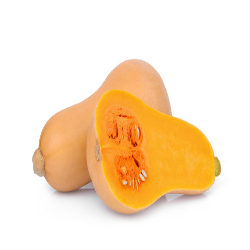
Butternut squash is one of the most popular winter squash vegetables. Butternuts grow on an annual, long trailing vine. This variety of squash is widely cultivated under warmer climates of South and Central Americas for its edible fruits, blossoms (flowers), as well as seeds.
Botanically, it belongs to the Cucurbitaceae family of field pumpkins; probably originated in the Central American region. In the markets, they often identified as a giant pear-shaped, golden-yellow pumpkins instead of squash.
Scientific name: Cucurbita morschata.
Similar Food
-
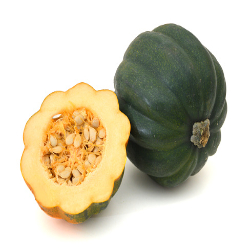 Acorn squash 40 Cal
 -
 Amaranth greens 23 Cal
 -
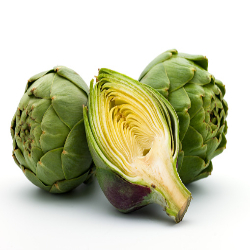 Artichoke 47 Cal
 -
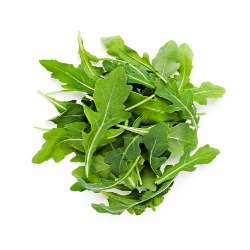 Arugula 25 Cal
 -
 Asparagus 20 Cal
Source of Calorie
45
Calories
-
Carbs11.69 g 91%
-
Protein1.00 g 8%
-
Fat0.10 g 1%
How long to burn off 45 Calories?
*Approximate base minutes for a 25-year-old, 65 kg adult at moderate intensity.
Swimming
7
min
Jogging
6
min
Cycling
6
min
Walking
11
min
| Nutrition Principle | Nutrition Value | Percentage of RDA |
|---|---|---|
| Principle | ||
| Energy | 45 Kcal | 2% |
| Carbohydrates | 11.69 g | 9% |
| Protein | 1.0 g | 2% |
| Total Fat | 0.1 g | 0.5% |
| Cholesterol | 0 mg | 0% |
| Dietary Fiber | 2 g | 5% |
| Vitamins | ||
| Folates | 27 µg | 7% |
| Niacin | 1.200 mg | 8% |
| Pantothenic acid | 0.400 mg | 8% |
| Pyridoxine | 0.154 mg | 12% |
| Riboflavin | 0.020 mg | 2% |
| Thiamin | 0.100 mg | 8% |
| Vitamin A | 10630 IU | 354% |
| Vitamin C | 21 mg | 35% |
| Vitamin E | 1.44 mg | 10% |
| Vitamin K | 1.1 µg | 1% |
| Electrolytes | ||
| Sodium | 4 mg | 0.5% |
| Potassium | 352 mg | 7% |
| Minerals | ||
| Calcium | 48 mg | 5% |
| Copper | 0.072 mg | 8% |
| Iron | 0.70 mg | 9% |
| Magnesium | 34 mg | 9% |
| Manganese | 0.202 mg | 1% |
| Phosphorus | 33 mg | 5% |
| Selenium | 0.5 µg | <1% |
| Zinc | 0.15 mg | 1% |
| Phyto-nutrients | ||
| Carotene-α | 834 µg | -- |
| Carotene-ß | 4226 µg | -- |
| Crypto-xanthin-ß | 3471 µg | -- |
| Lutein-zeaxanthin | 0 µg | -- |